Physiotherapy
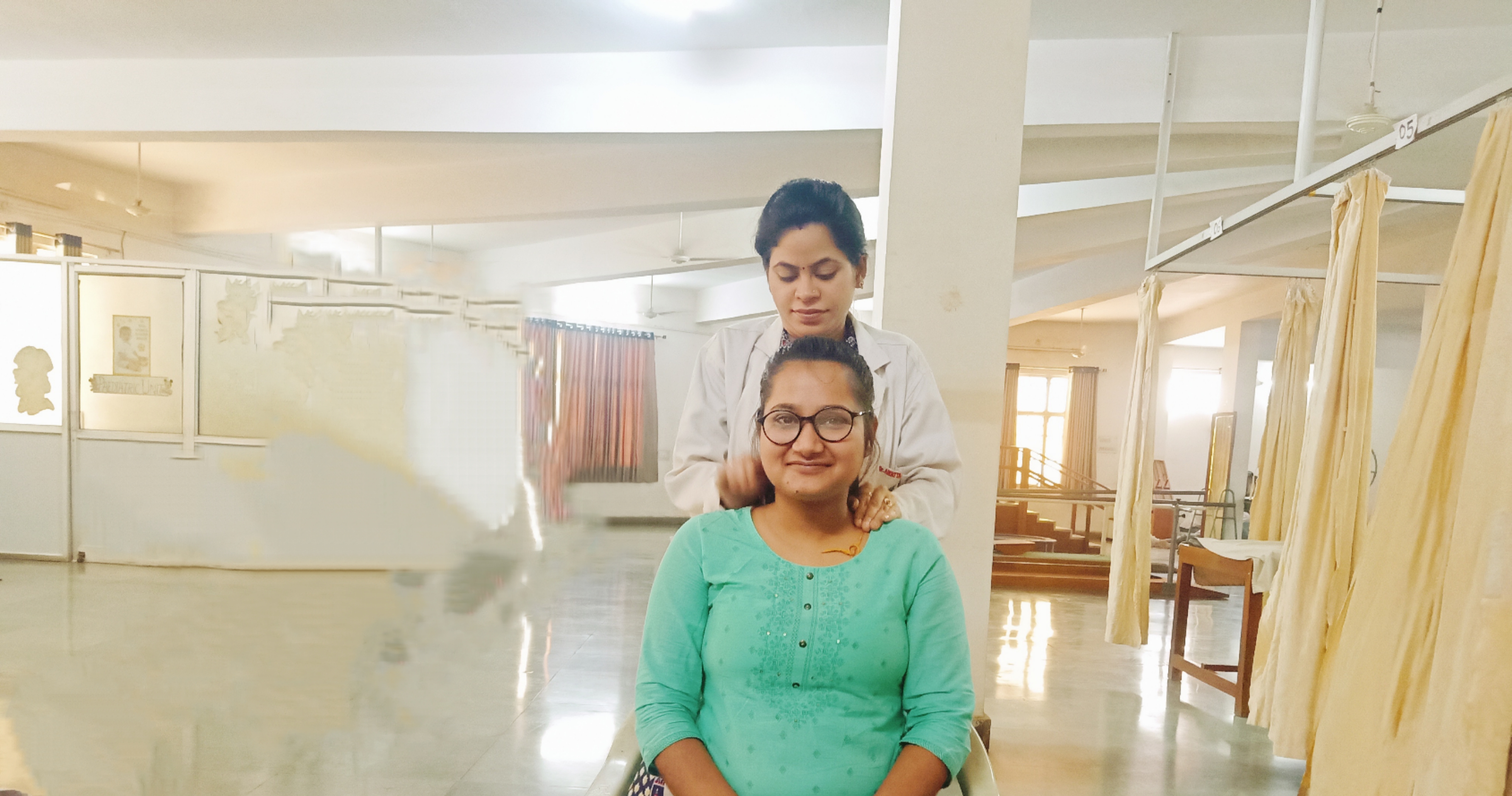
Think about getting physiotherapy if you have an injury, or chronic pain that affects
how you function everyday. A doctor may refer you to physiotherapy after surgery
such as a hip replacement, or an event such as a heart attack or stroke.
Physiotherapists focus on both prevention and rehabilitation.
Treatment can be for problems caused by injury, disease or disability.
Your session will be unique, because it is all about you and your particular needs. In
general,
here’s what happens:
- The physiotherapist learns about your medical history
- The physiotherapist assesses and diagnoses your condition
- You receive a treatment plan that sets goals for you
- You prescribed a course of exercises and any assistive devices needed
Sport Injuries
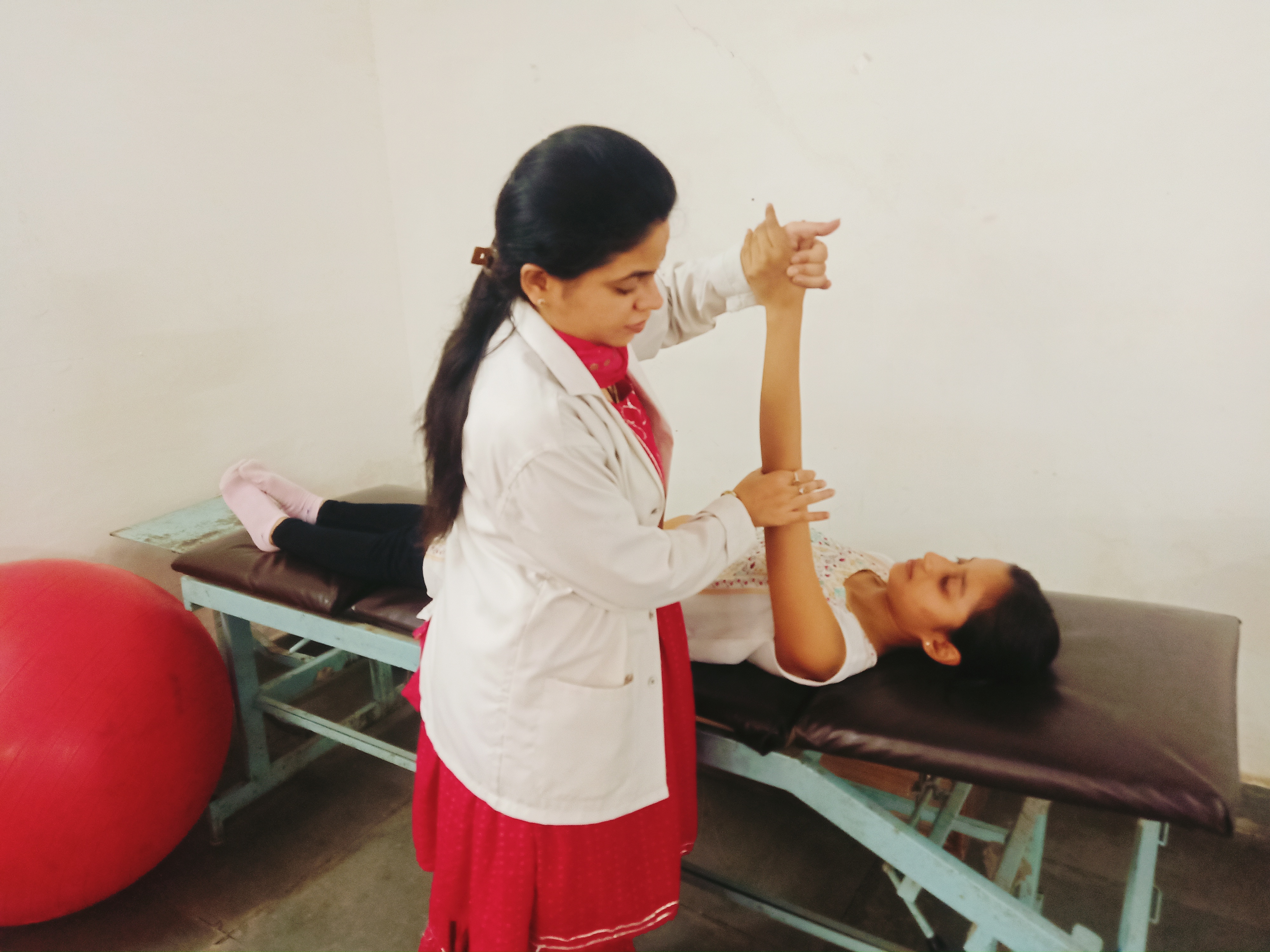
Sports injuries are injuries that occur during sport, athletic activities, or
exercising.
Sports injuries are common and can occur throughout your body to bones, muscles, tendons,
ligaments and other structures. You can treat many minor injuries at home with rest, ice,
compression, elevation and over-the-counter pain medications. But some injuries require
medical treatment, such as immobilization, physical therapy and surgery.
Sports injuries can affect any part of your body. They most often affect:
- Achilles tendon: The Achilles tendon is a thick cord that connects the back of
your lower leg (calf) to
your heel. It helps you walk. But the tendon can become swollen, inflamed and stiff. It
can even tear. This is called Achilles tendinitis or Achilles tendon rupture
- Ankle: Your leg and foot join together at your ankle. It contains three joints,
as well as several bones, cartilage, ligaments, muscles and tendons. Ankle pain is often
caused by a sprained ankle.
- Elbow: Your elbow is the joint that acts as a hinge between your upper and lower
arm. People often experience pain in their elbow from repeat motions and overuse (for
example, tennis elbow and Little League elbow).
- Head: Your head includes your face, skull and brain. One of the most common head
injuries is concussion.
- Knee: Your knee is a complex joint that acts as a hinge between your thigh and
lower leg. It contains bones, cartilage, ligaments and tendons. Knee pain can be caused
by jumper’s knee or runner’s knee. Other common injuries include meniscus tear and
anterior cruciate ligament (ACL) tear.
Neuro Rehabilitation
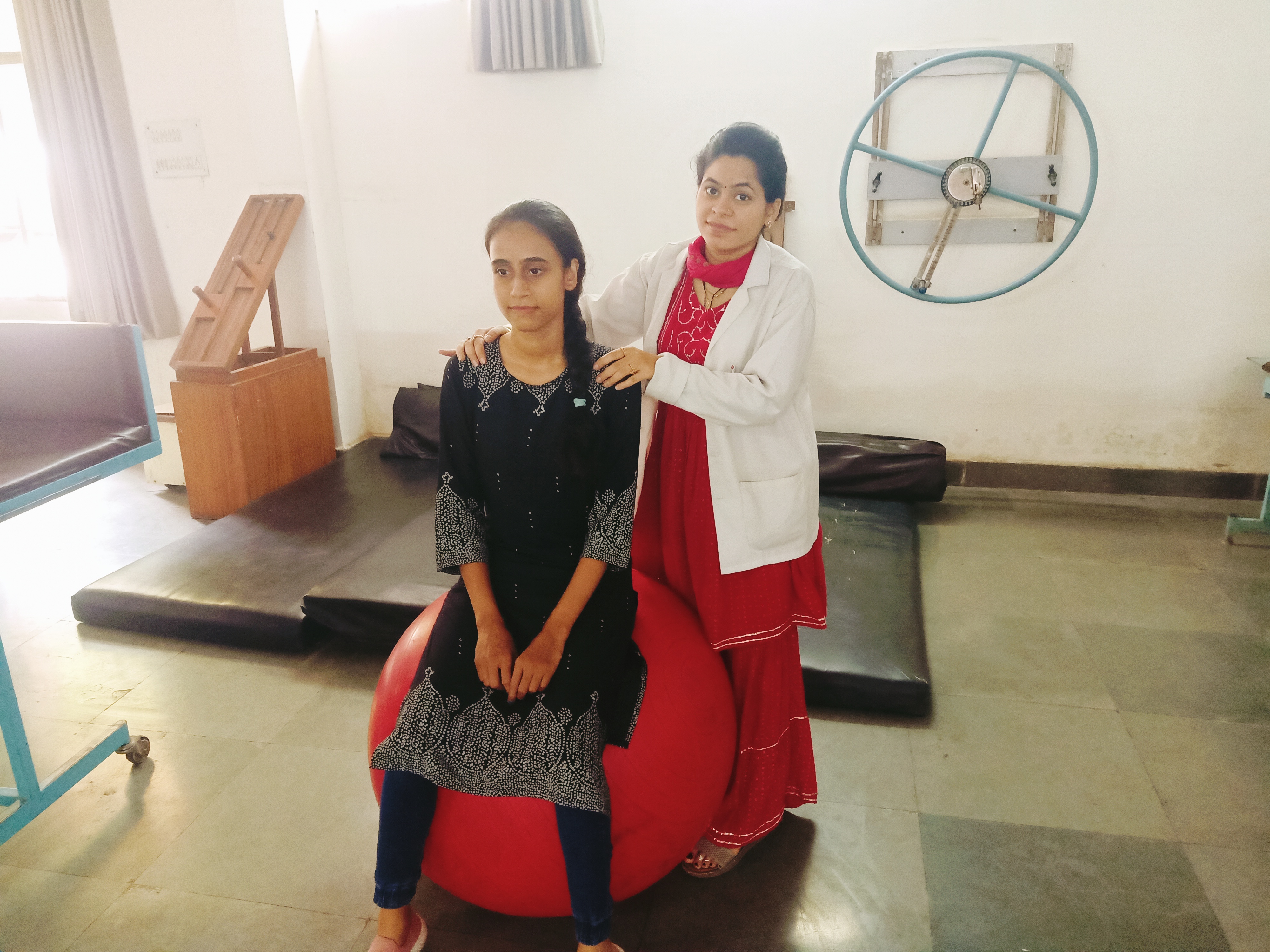
Neurological rehabilitation is designed to help treat patients with nervous
system or neurological diseases. Rehabilitation aims to increase function.
Any patient with a neurological condition may be referred for rehabilitation through a
prescription or order provided by a doctor.
Symptoms that may prompt the need for neurological rehabilitation include:
- Muscle weakness and abnormal muscle tone
- Pain
- Difficulty walking
- Difficulty with daily activities such as eating, dressing, bathing, toileting
- Difficulty swallowing
- Difficulty speaking
- Impairments in thinking, memory and problem solving
- Impairments in vision or eye-hand coordination
Cupping Therapy
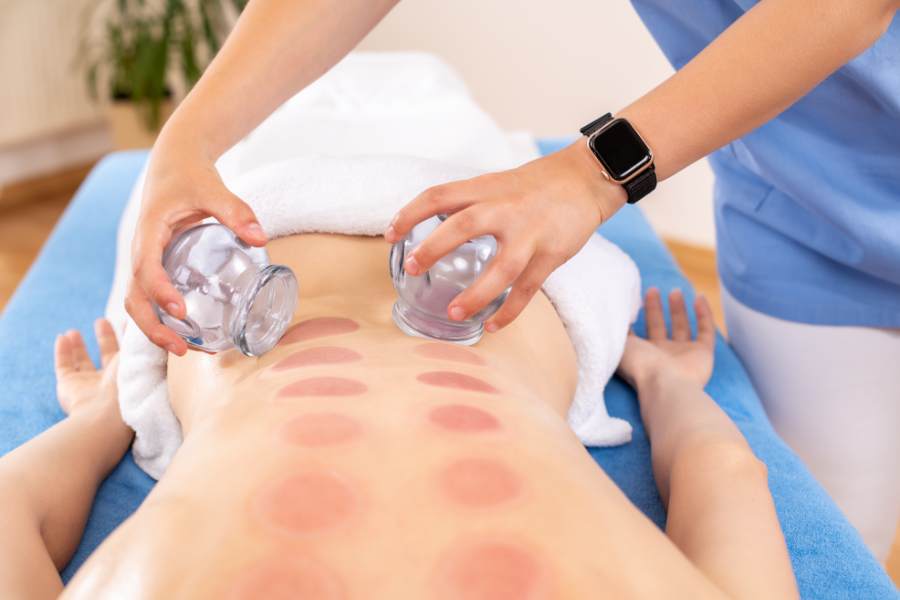
Cupping therapy is an ancient form of alternative medicine in which a therapist
puts special cups on your skin for a few minutes to create suction. People get it for many
purposes, including to help with pain, inflammation, blood flow, relaxation and well-being,
and as a type of deep-tissue massage.
Different classifications of Cupping
- Dry cupping: The air inside a plastic or glass cup is suctioned or vacuumed out
by placing the cup on the skin. In most cases, the cups can be used at rest or while
moving.
- Wet cupping / Hijama / Bleeding: Wet cupping creates a mild suction by leaving a
cup in place for about 3 minutes. The therapist then removes the cup and uses a small
scalpel to make light, tiny cuts on your skin. Next, they do a second suction to draw
out a small quantity of blood.
- Oil cupping / Sliding cupping: Its a technique where massage oils are applied,
cups are attached to the body and then slide across an area.
- Flash cupping / Empty cupping: It involves quick repeated application of cups,
with minimal retention. It reduces local congestion and stimulate circulation over a
broader area.
Electro Therapy
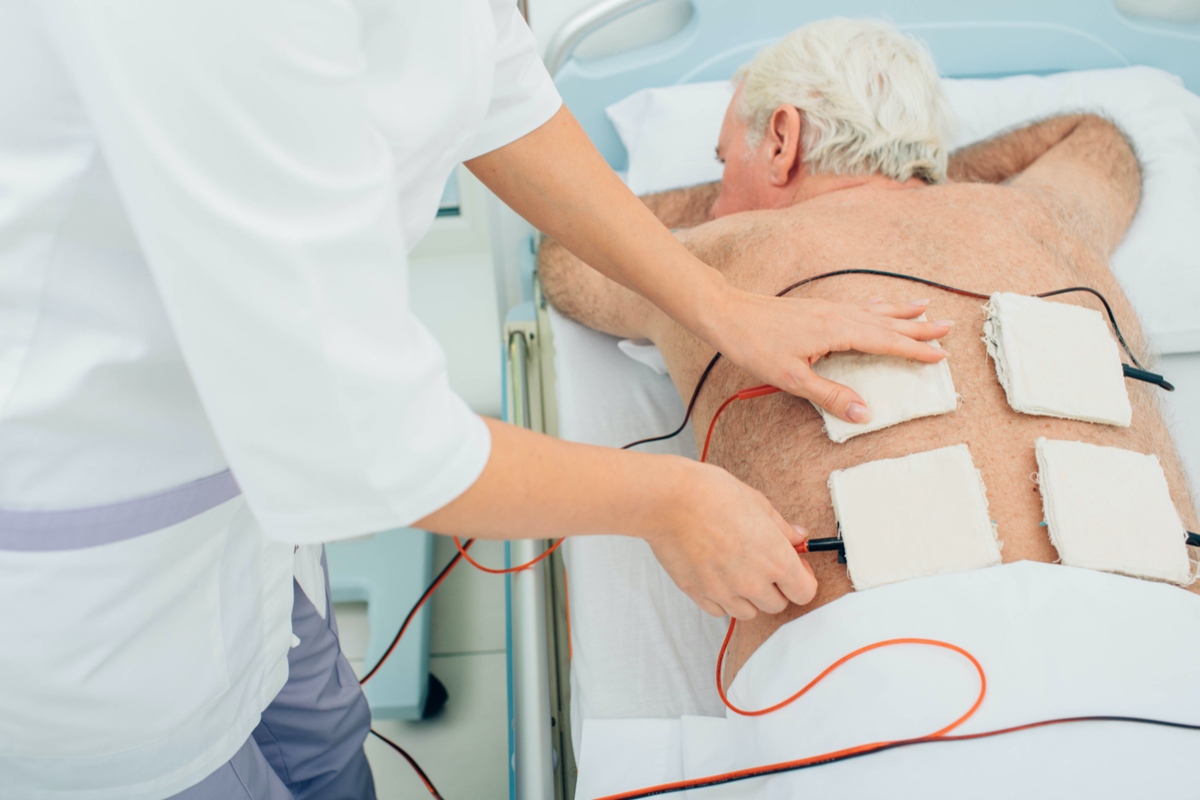
Electrotherapy includes a range of treatments using electricity to reduce pain,
improve circulation, repair tissues, strengthen muscles, and promote bone.
Electrotherapy units usually consist of a battery-powered device connected by wires to
adhesive electrode pads which are placed on the skin. The electrode pads are sticky, so they
will adhere to the skin. Once the electrodes are attached and the unit is turned on, a mild
electric current is sent to the skin via the electrode.
A number of newer electrotherapy devices bypass the wires, combining electrodes and battery
power into a single unit that can be worn inconspicuously on the back, arm, leg, or
elsewhere during work or other daily activities. A hand-held controller is used to adjust
the level of stimulation.
While a large number of people find electrotherapy helpful, others do not. The medical
literature on electrotherapy's effectiveness has been mixed, and not all electrotherapy
treatments are supported by research.
Antenatal Services
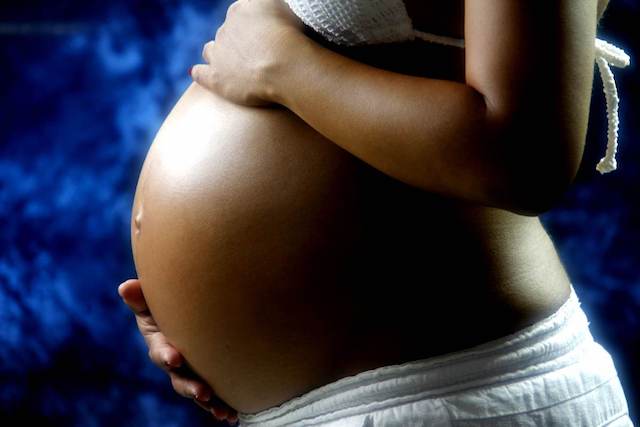
Antenatal care is essential for protecting the health of women and their unborn
children.
Through this form of preventive health care, women can learn from skilled health personnel
about healthy behaviours during pregnancy, better understand warning signs during pregnancy
and childbirth, and receive social, emotional and psychological support at this critical
time in their lives. Through antenatal care, pregnant women can also access micronutrient
supplementation, treatment for hypertension to prevent eclampsia, as well as immunization
against tetanus. Antenatal care can also provide HIV testing and medications to prevent
mother-to-child transmission of HIV. In areas where malaria is endemic, health personnel can
provide pregnant women with medications and insecticide-treated mosquito nets to help
prevent this debilitating and sometimes deadly disease.
Orthopaedic Rehabilitation
Rehabilitation after surgery. After you have surgery, orthopedic physical
therapy may help reduce pain, normalize your walking, improve.
Orthopedic physical therapy can be life-changing. A skilled physical therapist (PT) can get
you back on track with your daily activities after surgery, an injury, accident, or
illness.
That’s because an orthopedic PT specializes in diagnosing and treating conditions that affect
any part of your musculoskeletal system.
Orthopedic physical therapy involves the care of your entire musculoskeletal system, which
includes your:
- bones
- muscles
- ligaments and tendons
- joints
- connective tissue
Cardiac Rehabilitation
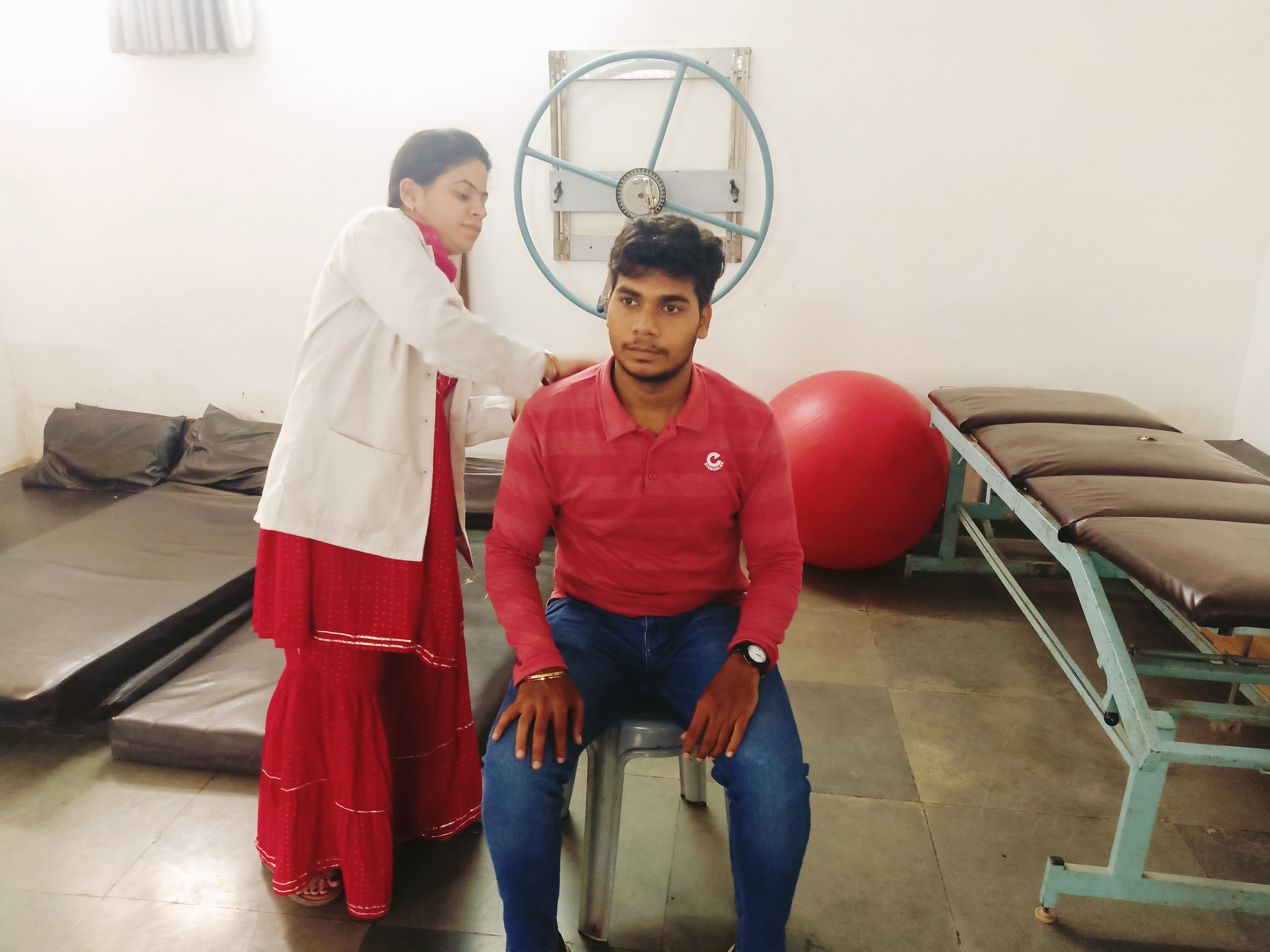
Cardiac rehab is a medically supervised program designed to help improve your
cardiovascular health if you have experienced heart attack.
Cardiac rehabilitation is done to improve health in those with a heart condition or a history
of heart surgery. The goals of cardiac rehabilitation are to:
- Get stronger
- Reduce the risk of future heart problems
- Prevent the heart condition from worsening
- Improve quality of life